Ironman 70.3 Westfriesland — Course Guide, Race Tips & What to Expect
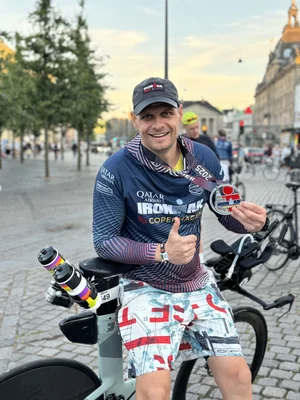
I've raced Ironman 70.3 Westfriesland twice. The first time, I was a nervous wreck who had no idea what the swim start would feel like in Harbour open water with 1,500 other athletes around me. The second time, I knew exactly what to expect — and that knowledge made every difference.
Ironman Westfriesland 70.3 2025
If you've entered Westfriesland this year, or you're thinking about it, this is the race guide I wish I'd had before my first start.
Why IRONMAN 70.3 Westfriesland Is One of the Best 70.3’s in Europe
The Netherlands is an incredible country to race triathlon. The cycling culture means drivers actually respect you on the road, the courses are flat and fast, and the race organisation at Westfriesland is genuinely world-class.
But what makes this race special isn't just the logistics. It's the atmosphere. Dutch triathlon crowds are loud, knowledgeable, and incredibly welcoming — even to athletes from abroad. If you're an expat training in the Netherlands, Westfriesland is the race to put on your calendar.
The Swim — What to Expect at Westfriesland
The swim takes place in open water and it's one of the more forgiving 70.3 starts I've experienced. Here's what you need to know:
• Rolling start — no mass chaos. You seed yourself by expected finish time which makes the early kilometres much calmer than a wave start.
• The water is typically cold in late June/early July. Wetsuit is almost always recommended and legal. Check race-day temperatures — anything under 24.5°C and you'll want it.
• Sighting is straightforward. The course is marked clearly with no confusing turns. If you struggle with sighting in open water, this course is very beginner-friendly.
• My tip: seed yourself honestly. Starting too far forward means getting swum over. Starting too far back means fighting through slower athletes for 1,900 metres.
First year the water was calm and swim felt really nice, second year the water was choppy, some athletes overestimated their ability to swim, so with waves they kept coming back in my direction and I needed to avoid them.
The Bike — Flat, Fast, and Windy
This is where Westfriesland earns its reputation. The bike course is predominantly flat — perfect for athletes targeting a fast time. But the Netherlands has a secret weapon that no race guide ever warns you about enough:
The wind.
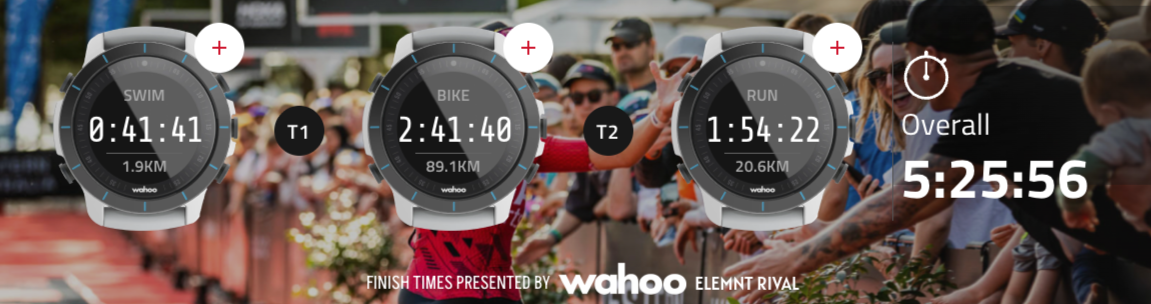
I did the bike in 2h 42 on my first attempt and felt good. On my second race, there was a solid headwind on the return leg and I watched my average power spike while my speed dropped. The Dutch flatlands offer zero shelter — when there's wind, there's wind.
• Don't go out too hard in the first 30km. The temptation on a flat course is to push, especially if you feel great. Save yourself for the run.
• Eat and drink early and often. The aid stations are well-stocked but you need to be taking on fuel before you feel like you need it.
• Check wind direction the day before. If there's a strong southwesterly, the back half of the course will be harder. Budget your energy accordingly.
• Disc wheel consideration: In calm conditions it's a real benefit. In crosswind, it becomes a liability. Know the forecast before you decide.
The route follows at the beginning the coast before it turns inland, and the roads are smooth and fast!
The Run — Where Races Are Won and Lost
The run course takes you through the town and old harbour and it's genuinely one of the most atmospheric parts of the race. Spectators line the route and the energy is fantastic.
But let me be honest: the run after a 90km bike in a Dutch summer can be brutal. Here's what I've learned:
• Start slower than you think you need to. Every athlete I've spoken to who blew up on the run said the same thing: 'I felt so good at kilometre 5.'
• Nutrition strategy matters hugely. I made the mistake of relying on gels too long. By kilometre 15 I was done with them. Have a backup plan — cola, bananas, crackers at aid stations can save your run.
• Walk breaks are not failure. Especially in the heat. A 30-second walk at each aid station to drink properly beats bonking at kilometre 18.
• The finish line is in the town centre and the crowd is electric. Whatever you have left in the tank — leave it there.
One part can be a bit lonely but once you are back in the city it’s electric! Real Dutch spectacle - you get every emotion running through your mind.
How to Prepare for Westfriesland — Training Notes From the Course
I coach athletes targeting this race every year and the preparation mistakes I see most often are consistent:
• Starting brick training too late — you need to practise running off the bike at least 8 weeks out, not 2.
• Neglecting swim open water sessions — pool swimming and open water swimming feel completely different. Get in open water before race day.
• Underestimating the heat — if it's a warm July day, your pace targets from training in cool weather will not translate directly.
A good 16-week build to Westfriesland focuses on aerobic base first, then race-specific intensity from week 10 onwards. Race nutrition needs to be practised in training — not figured out on race day.
Ironman 70.3 Westfriesland 2026 — Key Details
Race day is Sunday 21 June 2026, in Hoorn, North Holland.
Registration is open — but don't wait. This race sells out every single year, and fast. The 2024 edition filled 2,100 spots for the 70.3 distance before most people had finished their morning coffee. If you're targeting Westfriesland this year, get registered now before the waitlist kicks in.
The course at a glance:
Swim: 1.9km in Hoorn's old harbour — rolling start, well-marked, beginner-friendly sighting
Bike: 90km through the flat Dutch countryside, past windmills and villages — fast course, wind-dependent
Run: 21.1km through Hoorn's historic centre, finishing at the Stadsstrand city beach with thousands of spectators
Water temp: around 17°C — wetsuit legal and recommended
Air temp: typically 18–22°C on race day — warm enough to demand a nutrition plan, cool enough to race well
Athlete check-in and race briefing are held in the days before race day at the Stadsstrand venue. The athlete briefing is available online in the week before the race — watch it. It covers transition logistics, rolling start seeding, and any course changes. First-timers especially: don't skip it.
Final Thoughts
Ironman 70.3 Westfriesland is a race I'd recommend to any triathlete — beginner, intermediate, or performance-focused. It's well-organised, the course is fair, and the Dutch race environment is genuinely special.
If you're targeting this race and you want a training plan built specifically around the demands of the course — the wind, the flat bike, the heat — I'd love to help.
Preparing for Westfriesland or another 70.3? Let's build your race plan together. Start with a 14-day free trial — cancel anytime, no charge. →
Thinking about your next race?
Book a free 30-minute call — we'll talk through your goals, your schedule, and what it takes to get there.